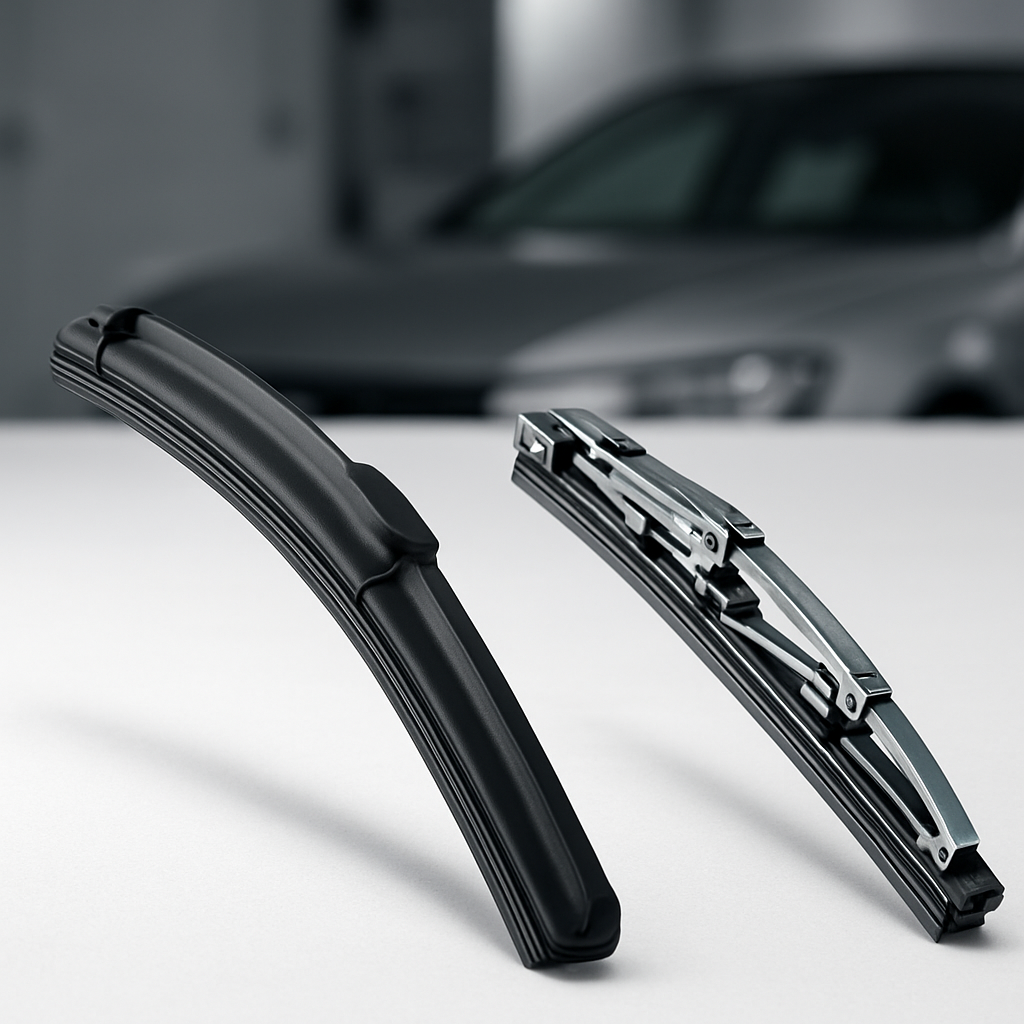
When comparing Bosch Aerotwin vs Bosch Twin wiper blades, the Aerotwin represents modern beam blade technology with a single-piece design offering superior performance in all weather conditions, whilst the Twin uses traditional bracket-style construction with multiple pressure points. Aerotwin blades provide quieter operation, better aerodynamics, and longer lifespan (typically 12-18 months), making them ideal for motorists seeking premium performance. The Twin remains a reliable, budget-friendly option for drivers prioritising value over advanced features, delivering dependable clearing at roughly 40% lower cost.
Quick comparison table
| Feature | Bosch Aerotwin | Bosch Twin |
|---|---|---|
| Price range | £18-35 per blade | £8-18 per blade |
| Design type | Beam blade (bracket-free) | Conventional bracket |
| Durability | 12-18 months | 6-12 months |
| Noise level | Very quiet operation | Moderate noise possible |
| Performance | Excellent all conditions | Good standard conditions |
| Maintenance | Minimal | Occasional adjustment |
| Best use case | Premium vehicles, high mileage | Budget-conscious, city driving |
Bosch Aerotwin overview
The Bosch Aerotwin represents cutting-edge wiper technology using a beam blade construction without traditional metal brackets. This single-piece design incorporates a spring steel tensioning element encased within a rubber profile, distributing pressure evenly across the entire blade length.
Manufactured from high-grade natural rubber with a protective coating, Aerotwin blades resist UV degradation and extreme temperatures. The aerodynamic profile reduces wind lift at motorway speeds, maintaining consistent windscreen contact even above 100 mph. Installation uses a proprietary quick-clip system compatible with most modern vehicles produced after 2005.
Typical pricing sits between £18-35 per blade depending on length, positioning these as premium wiper blades in Bosch’s range. The investment reflects advanced materials and precision engineering that our mechanics at AutoPartsPro observe lasting significantly longer than conventional alternatives.
Advantages of Aerotwin
- Exceptional clearing performance in rain, snow, and ice conditions
- Whisper-quiet operation eliminates annoying chattering sounds
- Aerodynamic design prevents lift at high speeds
- No metal framework means no corrosion issues
- Extended service life reduces replacement frequency
- Pre-assembled adapter simplifies fitment
Disadvantages of Aerotwin
- Higher initial purchase cost compared to traditional blades
- Limited compatibility with older vehicle models (pre-2005)
- Replacement rubber inserts not available; entire blade requires replacement
- Can be more challenging to find in rural auto parts shops
Ideal drivers for Aerotwin
Aerotwin blades suit motorists who cover substantial annual mileage, particularly those frequently driving in challenging weather. Company car drivers, sales representatives, and commuters travelling motorways benefit most from the superior durability and performance. Vehicle owners who prioritise quiet operation and premium aesthetics also find these blades worthwhile.
Our AutoPartsPro technicians recommend Aerotwin blades for any vehicle where the windscreen is crucial for safety systems like lane-keeping assist or adaptive cruise control, as consistent clarity is essential for sensor accuracy.
Bosch Twin overview
The Bosch Twin employs conventional bracket architecture with multiple articulation points that distribute pressure across the blade. This proven design has served motorists reliably for decades, using a galvanised steel framework supporting a natural rubber wiping element.
Twin blades feature Bosch’s dual-rubber technology, combining a firm backing strip with a softer wiping edge for effective water removal. The metal superstructure includes four to eight pressure points depending on blade length, ensuring contact across curved windscreens. A protective coating on metal components resists corrosion in typical UK weather conditions.
Priced between £8-18 per blade, the Twin offers accessible performance for budget-conscious motorists. The traditional design means wider compatibility with vehicles from the 1990s onwards, including many classic cars. Installation uses standard hook, pin, or bayonet fittings common across most manufacturers.
Advantages of Twin
- Significantly lower purchase price makes replacement affordable
- Excellent compatibility with older vehicle models
- Proven reliability in standard driving conditions
- Widely available at most automotive retailers
- Replacement rubber refills available for some models
- Straightforward installation process
Disadvantages of Twin
- Metal brackets can corrode over time, especially in coastal areas
- More susceptible to wind lift at higher speeds
- Shorter service life typically requires biannual replacement
- Can develop chattering or streaking sooner than beam blades
- Less effective in heavy snow or ice conditions
Ideal drivers for Twin
Twin blades work well for motorists with lower annual mileage who primarily drive in urban or suburban environments. Owners of older vehicles, second cars, or those on tight maintenance budgets find these blades deliver adequate performance without premium pricing. Drivers who perform regular maintenance and don’t mind more frequent replacements appreciate the value proposition.
Based on our experience at AutoPartsPro, Twin blades remain perfectly adequate for vehicles used mainly for local journeys, school runs, or weekend shopping trips where extreme weather performance isn’t critical.
Compatibility considerations
Confirming proper fitment before purchase prevents frustration and ensures optimal performance. Bosch provides comprehensive vehicle-specific application guides, but understanding key compatibility factors helps make informed decisions.
Vehicle compatibility
Aerotwin blades predominantly fit vehicles manufactured from 2005 onwards, designed for modern hook-type or top-lock fittings. Most European manufacturers including Volkswagen, BMW, Mercedes-Benz, Audi, and Ford specify Aerotwin-compatible connections on current models. Japanese and Korean manufacturers increasingly adopt these standards as well.
Twin blades offer broader compatibility spanning vehicles from the early 1990s through current production. The traditional bracket design accommodates various arm types including standard hooks, pin-type, bayonet, and side-pin connections. This versatility makes Twin blades suitable for classic cars, commercial vehicles, and budget models where beam blade technology hasn’t been adopted.
Model year considerations
Vehicle age significantly influences wiper blade selection. Pre-2005 vehicles typically require Twin or similar conventional blades unless aftermarket wiper arms have been retrofitted. Mid-2000s models may accept either type depending on specification level, with premium trims often receiving beam blade-compatible arms from the factory.
Post-2010 vehicles increasingly specify beam blades as original equipment, making Aerotwin the natural replacement choice. However, Twin blades can sometimes fit these vehicles using adapter clips, though this compromises the aesthetic and performance benefits of the original design.
Installation notes
Aerotwin blades arrive pre-assembled with the correct adapter for your vehicle, simplifying installation to a single-click process. Remove the old blade by lifting the wiper arm, pressing the release tab, and sliding off. The new Aerotwin clicks into place with audible confirmation. No tools are required for most applications.
Twin blade installation follows traditional methods. Lift the wiper arm, unhook or unclip the old blade from the J-hook or pin fitting, then attach the new blade ensuring the adapter bracket securely engages. Some models require selecting the correct adapter from the supplied set. Our specialists recommend checking the washer system simultaneously to ensure optimal visibility maintenance.
OEM specifications
Many vehicle manufacturers specify Bosch as original equipment supplier, with Aerotwin blades fitted to premium models at the factory. Replacing like-for-like maintains the intended performance characteristics and preserves the visual aesthetic. Consult your vehicle handbook or the identification plate on the existing blade to determine the correct length.
Blade lengths typically range from 340mm to 700mm for driver’s side applications, with passenger blades often 50-100mm shorter. Fitting incorrect lengths compromises swept area and can cause contact with windscreen pillars or bonnet edges. The rear window wiper, if equipped, usually requires a shorter blade in the 250-400mm range.
Final verdict and buying recommendation
Your choice between Bosch Aerotwin and Twin ultimately depends on driving patterns, vehicle type, and budget priorities. For motorists covering over 12,000 miles annually, particularly those facing varied weather conditions or frequent motorway driving, Aerotwin blades justify their premium through superior longevity and performance. The quiet operation and consistent clearing eliminate the frustration of streaking or chattering during critical visibility moments.
Budget-conscious drivers with lower mileage or those maintaining older vehicles should confidently select Twin blades. They deliver reliable performance for everyday driving at a price point that makes regular replacement financially sensible. The proven technology works effectively in typical UK weather, clearing rain and light snow without issue.
Vehicle owners should also consider their maintenance philosophy. If you prefer fitting premium components less frequently, Aerotwin’s extended service life aligns with this approach. Conversely, drivers who don’t mind more frequent replacement as part of routine servicing find Twin blades offer excellent value without compromising safety.
For vehicles equipped with advanced driver assistance systems relying on windscreen-mounted cameras or sensors, our AutoPartsPro specialists strongly recommend Aerotwin blades. The consistent, streak-free clearing ensures these safety systems function correctly, preventing false alerts or system deactivation due to obscured sensors.
Consider purchasing both driver and passenger blades simultaneously, as they typically wear at similar rates. Mixing blade types or brands can create uneven clearing patterns and visual distraction. Whilst the interior condition matters for comfort, exterior visibility components like wipers directly impact safety and warrant appropriate investment.
Remember that even premium blades require periodic cleaning to maintain performance. Wipe the rubber edge with a damp cloth monthly to remove accumulated road grime, tree sap, and insect residue. This simple maintenance extends service life for both Aerotwin and Twin variants, maximising your investment regardless of which option you choose.
Frequently asked questions
Can I fit Aerotwin blades on a car originally equipped with Twin blades?
Yes, provided your vehicle has compatible wiper arm fittings, typically hook-type connections. Aerotwin blades include adapters for common fitment types. Check the application guide or measure your existing blade length to ensure proper fit and swept area coverage.
How often should I replace Bosch wiper blades?
Replace Aerotwin blades every 12-18 months or when streaking occurs. Twin blades typically need replacement every 6-12 months. Harsh weather, frequent use, and exposure to extreme temperatures accelerate wear. Inspect blades seasonally and replace if rubber shows cracks or hardening.
Do Aerotwin blades work better in winter conditions?
Aerotwin blades excel in winter due to their bracket-free design preventing ice accumulation in the blade structure. The enclosed spring steel mechanism maintains consistent pressure even when snow builds up, whereas traditional brackets can freeze, reducing effectiveness until warmed.
Are genuine Bosch blades worth the extra cost over budget alternatives?
Genuine Bosch blades use superior rubber compounds and precision manufacturing that deliver noticeably better performance and longevity. Budget blades may cost half the price but often require replacement twice as frequently, negating savings whilst compromising visibility during critical moments.
Can I replace just the rubber insert on Aerotwin blades?
No, Aerotwin blades are sealed units requiring complete replacement when worn. Twin blades offer replacement rubber refills for some models, though finding the correct refill and performing the replacement often proves more hassle than purchasing new complete blades at their affordable price point.